
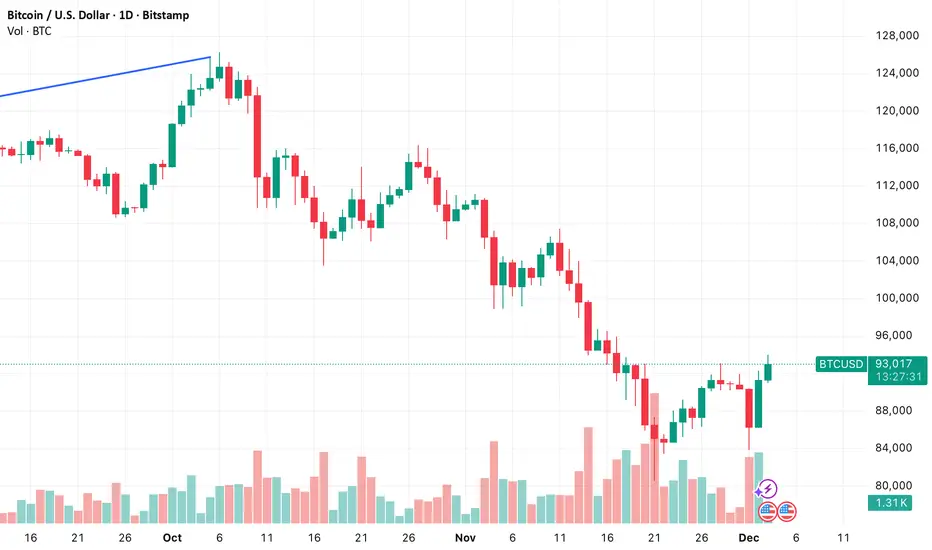
In 2026, the global crypto market faces the biggest regulatory shift in years.
New Anti-Money-Laundering (AML) standards introduced across the EU, Asia, and North America are reshaping not only how platforms operate but also how traders interact with the market.
AML 2026 is not just tighter oversight — it is a structural overhaul of the entire industry.
1. Why 2026 Became the Turning Point for AML
Three global forces converged at the same time:
✔ Institutional participation in crypto is rising
Funds and financial institutions require full operational compliance before entering the market.
✔ Digital crime has increased significantly
More ransomware attacks and online fraud pushed regulators toward bank-level compliance standards.
✔ MiCA Phase 2, Travel Rule expansion, and new FATF recommendations
In 2026, major regions enforce unified AML models for crypto service providers.
This is not a local update — it’s a global reset.
2. What the New AML Rules Mean for Traders
1. More detailed KYC verification
Platforms must now:
For the majority of traders, the process becomes more thorough but remains straightforward.
2. Stronger transactional compliance requirements
Transactions above regulatory thresholds must be reported according to local AML laws.
This applies to deposits, withdrawals, and on-chain transfers.
3. Faster account holds in case of irregular activity
AML systems in 2026 operate automatically.
Suspicious behavior may trigger:
This isn’t punishment — it’s the same compliance standard used in traditional banking.
3. What Changes for Exchanges and Brokers?
✔ Mandatory real-time transaction monitoring
Platforms must maintain:
This requires automated systems similar to those used by banks.
✔ Full compliance with the 2026 Travel Rule
Every transfer between platforms must include:
Anonymous transactions between exchanges become extremely difficult.
✔ Incident reporting obligations
Exchanges must report all suspicious or irregular activities to relevant regulators.
✔ Higher licensing requirements
To operate in regulated markets, platforms must have:
4. Who Benefits from Global AML 2026?
✔ Law-abiding, transparent traders
More safety and fewer risks of dealing with non-compliant platforms.
✔ Platforms that already operated responsibly
AML 2026 rewards companies that implemented strong compliance procedures early.
✔ Institutional investors
Clear frameworks and transparency make crypto more accessible to large financial entities.
5. Who May Struggle?
❌ Unregulated platforms
Many will leave the market due to inability to meet AML standards.
❌ Traders using unverified or high-risk fund sources
AML 2026 makes compliance mandatory for participation.
❌ Exchanges without automated monitoring technology
Manual processes are no longer sufficient — AI/ML systems are required.
6. What Traders Should Do in 2026
These steps prevent delays, holds, and compliance-related issues.
Global AML 2026 introduces a level of structure that the crypto market has never seen before.
The new rules:
For traders, it creates a more predictable, transparent environment.
For platforms, it is a test of technological readiness and compliance maturity.
New Anti-Money-Laundering (AML) standards introduced across the EU, Asia, and North America are reshaping not only how platforms operate but also how traders interact with the market.
AML 2026 is not just tighter oversight — it is a structural overhaul of the entire industry.
1. Why 2026 Became the Turning Point for AML
Three global forces converged at the same time:
✔ Institutional participation in crypto is rising
Funds and financial institutions require full operational compliance before entering the market.
✔ Digital crime has increased significantly
More ransomware attacks and online fraud pushed regulators toward bank-level compliance standards.
✔ MiCA Phase 2, Travel Rule expansion, and new FATF recommendations
In 2026, major regions enforce unified AML models for crypto service providers.
This is not a local update — it’s a global reset.
2. What the New AML Rules Mean for Traders
1. More detailed KYC verification
Platforms must now:
- confirm user identity,
- verify the source of funds,
- monitor unusual activity patterns.
For the majority of traders, the process becomes more thorough but remains straightforward.
2. Stronger transactional compliance requirements
Transactions above regulatory thresholds must be reported according to local AML laws.
This applies to deposits, withdrawals, and on-chain transfers.
3. Faster account holds in case of irregular activity
AML systems in 2026 operate automatically.
Suspicious behavior may trigger:
- temporary withdrawal holds,
- additional documentation requests,
- manual account review.
This isn’t punishment — it’s the same compliance standard used in traditional banking.
3. What Changes for Exchanges and Brokers?
✔ Mandatory real-time transaction monitoring
Platforms must maintain:
- ML/CTF detection rules,
- behavioral analytics,
- user risk scoring models.
This requires automated systems similar to those used by banks.
✔ Full compliance with the 2026 Travel Rule
Every transfer between platforms must include:
- sender information,
- recipient information,
- AML verification.
Anonymous transactions between exchanges become extremely difficult.
✔ Incident reporting obligations
Exchanges must report all suspicious or irregular activities to relevant regulators.
✔ Higher licensing requirements
To operate in regulated markets, platforms must have:
- FATF-compliant AML policies,
- dedicated compliance teams,
- external audits,
- automated monitoring infrastructure.
4. Who Benefits from Global AML 2026?
✔ Law-abiding, transparent traders
More safety and fewer risks of dealing with non-compliant platforms.
✔ Platforms that already operated responsibly
AML 2026 rewards companies that implemented strong compliance procedures early.
✔ Institutional investors
Clear frameworks and transparency make crypto more accessible to large financial entities.
5. Who May Struggle?
❌ Unregulated platforms
Many will leave the market due to inability to meet AML standards.
❌ Traders using unverified or high-risk fund sources
AML 2026 makes compliance mandatory for participation.
❌ Exchanges without automated monitoring technology
Manual processes are no longer sufficient — AI/ML systems are required.
6. What Traders Should Do in 2026
- Ensure the platform they use is licensed and AML-compliant.
- Keep documentation confirming the source of funds.
- Avoid transferring funds from unverified wallets.
- Prefer exchanges compliant with the Travel Rule.
- Understand local AML reporting thresholds.
These steps prevent delays, holds, and compliance-related issues.
Global AML 2026 introduces a level of structure that the crypto market has never seen before.
The new rules:
- increase security,
- stabilize the market,
- reduce fraud,
- attract institutions,
- and eliminate high-risk operators.
For traders, it creates a more predictable, transparent environment.
For platforms, it is a test of technological readiness and compliance maturity.

Отказ от ответственности
Информация и публикации не предназначены для предоставления и не являются финансовыми, инвестиционными, торговыми или другими видами советов или рекомендаций, предоставленных или одобренных TradingView. Подробнее читайте в Условиях использования.
Отказ от ответственности
Информация и публикации не предназначены для предоставления и не являются финансовыми, инвестиционными, торговыми или другими видами советов или рекомендаций, предоставленных или одобренных TradingView. Подробнее читайте в Условиях использования.